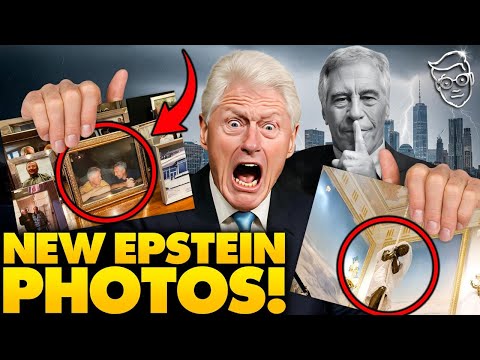
Shocking New Epstein Nude Photos Expose The Horrific Truth!
What really happened on Jeffrey Epstein's infamous private island? The recent release of thousands of previously sealed documents and photographs has sent shockwaves through the political and entertainment worlds, revealing disturbing connections and raising serious questions about the extent of Epstein's criminal network. The newly uncovered nude photos and personal images have reignited public interest in one of the most controversial cases of sexual exploitation in modern history.
The release of these materials by the U.S. Department of Justice has provided unprecedented insight into the dark world of Jeffrey Epstein, a convicted sex offender who died in 2019 while awaiting trial on federal sex trafficking charges. The documents include not only photographs of powerful figures but also FBI interview notes, victim testimonies, and detailed diagrams mapping Epstein's alleged abuse network. As these files continue to be analyzed, they're painting a more complete and troubling picture of systemic abuse that may have involved individuals across various sectors of society.
The Release of New Evidence
House Democrats recently released 19 new photos that were turned over by Jeffrey Epstein's estate, which show several powerful figures — including Donald Trump, Bill Clinton, Woody Allen, and Steve. These images represent just a fraction of the thousands of photographs that have emerged from various sources, including Epstein's properties and personal archives.
"These new images are a disturbing look into the world of Jeffrey Epstein and his island," Garcia said, emphasizing the gravity of what these photographs represent. The images provide visual documentation of Epstein's connections with influential people and offer glimpses into the environments where alleged crimes took place. While the presence of these individuals in photographs doesn't constitute evidence of wrongdoing, their inclusion has sparked intense public scrutiny and debate about accountability and complicity.
Understanding the Scope of the Documents
All week we have said that being mentioned in the files is not evidence of wrongdoing, and that remains a true and important point. However, the sheer volume and nature of the released materials have created a complex landscape where public perception and legal reality may diverge. The documents span decades of Epstein's activities and include interactions with individuals from politics, entertainment, business, and academia.
But the release has permanently tarnished reputations and, at the very least, raised questions about supposedly clever people's judgment. The photographs and documents have forced many to confront uncomfortable questions about how Epstein cultivated such extensive connections and whether those associations were merely social or potentially complicit. For some individuals, even innocent associations with Epstein now carry significant reputational damage in the court of public opinion.
What the Files Actually Contain
An initial review of thousands of government files and hundreds of photographs related to Jeffrey Epstein and released by the Justice Department on Friday produced new images, old investigative materials, and previously unseen documentation of his operations. The files include everything from flight logs and calendar entries to personal correspondence and financial records.
Convicted sex offender Jeffrey Epstein is seen on the phone and holding up a cake that appears to be shaped like breasts inside an office. This undated photo was among the thousands of images released, showcasing the bizarre and disturbing nature of some of the materials. The photographs range from seemingly innocuous social gatherings to more troubling images that provide context for understanding Epstein's lifestyle and the environments where alleged abuse occurred.
The FBI's Documentation Efforts
A document that was included in the U.S. Department of Justice release of the Jeffrey Epstein files, photographed Monday, Feb. 2, 2026, shows a diagram prepared by the FBI attempting to chart the network of Epstein's victims and the timeline of their alleged abuse. This visual representation demonstrates the extensive scope of the investigation and the systematic approach taken by law enforcement to understand the full extent of Epstein's alleged criminal enterprise.
The diagram reveals multiple layers of connections, including victim recruitment patterns, geographic locations of alleged abuse, and potential co-conspirators. Such documentation was crucial for prosecutors attempting to build cases against Epstein and others, though many of these efforts were complicated by various factors including witness cooperation and legal challenges.
Personal Photos and Private Moments
Personal photos are seen on display and in a drawer in this image released by the Department of Justice on Dec. 19, 2025, as part of thousands of files related to Jeffrey Epstein. These intimate glimpses into Epstein's personal life provide context for understanding his character and the environments where alleged crimes occurred. The casual nature of some images, juxtaposed with the serious allegations against Epstein, creates a disturbing contrast that many find unsettling.
The photos reveal details about Epstein's living spaces, personal collections, and social interactions. Some images show elaborate security measures, suggesting awareness of potential threats or a desire for privacy that went beyond typical wealthy individual preferences. Others capture moments that, while not explicitly criminal, raise questions about judgment and the company Epstein kept.
Privacy Concerns and Data Protection Failures
The U.S. Justice Department faced scrutiny Wednesday after releasing documents related to late sex offender Jeffrey Epstein that exposed victims' nude photos, names, and personal information. This serious privacy breach has raised questions about the protocols followed during the document release process and the potential for re-traumatizing victims whose information was made public without adequate redaction or consideration.
Photos released by the U.S. Justice Department related to Jeffrey Epstein featured some of the world's most famous people, creating a media frenzy and intense public interest. However, the inclusion of victims' personal information has been widely criticized as a failure to protect the very people the justice system is meant to serve. Privacy advocates and victim rights organizations have called for investigations into how such sensitive information was released and what safeguards will be implemented to prevent similar incidents in the future.
Criminal Evidence and Investigation Materials
The FBI omitted all of the child sexual abuse material from Friday's new document drops, but left in signs of the late financier's criminality and aesthetic nastiness. This selective redaction process has been both praised for protecting victims and criticized for potentially withholding evidence that could be relevant to ongoing investigations or civil cases.
Hackers have exposed heavily redacted information from the latest 11,034 documents in the Epstein files, released on Monday. This unauthorized access to supposedly protected information has raised serious concerns about the security of sensitive government documents and the potential for further privacy violations. The incident has prompted calls for enhanced cybersecurity measures and more careful handling of materials related to ongoing investigations.
International Context and Language Accessibility
The Epstein case has garnered international attention, with media coverage and public interest extending far beyond the United States. To ensure accessibility, information about the case and document releases has been made available in multiple languages including 简体中文 (Simplified Chinese), 繁體中文 (Traditional Chinese), 日本語 (Japanese), 한국어 (Korean), ไทย (Thai), Български (Bulgarian), Čeština (Czech), Dansk (Danish), Deutsch (German), Español - España (Spanish - Spain), Español - Latinoamérica (Spanish - Latin America), Ελληνικά (Greek), Français (French), Italiano (Italian), and Bahasa Indonesia (Indonesian).
This multilingual approach reflects the global nature of Epstein's alleged criminal enterprise and the international interest in understanding the full scope of his activities. The availability of information in multiple languages ensures that non-English speakers can access important details about the case and any potential implications for their own countries or communities.
Employee Testimonies and Insider Accounts
The files also contained FBI interview notes with an employee at Epstein's Florida estate who described duties such as fanning $100 bills on a table near Epstein's bed, disposing of used condoms, and placing a gun between Epstein's mattresses. These disturbing details provide insight into the bizarre and potentially criminal environment that existed within Epstein's properties and the extent of control he exerted over those in his orbit.
The employee also told the FBI in 2007 that Epstein once had him buy flowers and deliver them to a student at Royal Palm Beach High School to. This incomplete sentence suggests there may be additional details about Epstein's interactions with young people that were not fully disclosed or that the document was redacted to protect identities. Such testimonies from employees and associates have been crucial in building the case against Epstein and understanding the operational aspects of his alleged criminal activities.
Social Media and Conspiracy Theories
A shocking claim is circulating on social media alleging that Ellen DeGeneres engaged in horrific acts on Jeffrey Epstein's private island and then left. This type of unsubstantiated rumor highlights the challenges of managing public information in the digital age, where unverified claims can spread rapidly and cause significant reputational damage. While the released documents contain factual information about Epstein's connections, social media has become a breeding ground for speculation and conspiracy theories that often lack credible evidence.
In an email inviting Blaine to meet in 2013, Epstein asked whether Blaine's French girl was in town. In a 2014 email, Epstein suggested Blaine could find him a new assistant while the latter was on tour in South Africa. These email exchanges, included in the released documents, provide examples of Epstein's communication style and his apparent interest in recruiting young women. Such communications have become key pieces of evidence in understanding how Epstein allegedly operated his network and maintained his lifestyle.
Biography of Jeffrey Epstein
Jeffrey Edward Epstein was born on January 20, 1953, in Brooklyn, a borough of New York City. His early life in a working-class neighborhood contrasted sharply with the wealth and influence he would later accumulate. Epstein showed early aptitude in mathematics and science, which would eventually lead to his career in finance.
Personal Details and Bio Data
| Category | Details |
|---|---|
| Full Name | Jeffrey Edward Epstein |
| Date of Birth | January 20, 1953 |
| Place of Birth | Brooklyn, New York City, USA |
| Date of Death | August 10, 2019 |
| Place of Death | Metropolitan Correctional Center, New York City |
| Education | Cooper Union (dropped out), Courant Institute of Mathematical Sciences at NYU |
| Occupation | Financier, convicted sex offender |
| Known For | Sex trafficking, financial fraud allegations |
| Criminal Status | Deceased (suicide while in federal custody) |
| Net Worth at Death | Estimated $500 million - $1 billion |
Epstein's career in finance began after teaching briefly at the Dalton School in Manhattan, where his students included the children of influential figures. He later worked at Bear Stearns before establishing his own financial management firm, which catered to an exclusive clientele of billionaires and powerful individuals. His rise in the financial world provided him with the resources and connections that would later facilitate his alleged criminal activities.
The Impact on Victims and Survivors
The release of these documents has had a profound impact on Epstein's victims and survivors of sexual abuse. Many have expressed frustration that, despite the extensive documentation of Epstein's activities, the full extent of his network and the identities of all involved parties may never be known. The public release of personal information has also raised concerns about secondary victimization and the long-term psychological impact on those who have already suffered trauma.
Margy Palm was abducted by Stephen Morin outside a Kmart in 1981. She's never told the whole shocking story—until now. While this account predates Epstein's known criminal activities, it represents the type of trauma experienced by many victims of sexual predators and highlights the long-lasting impact of such crimes. Survivors' stories, whether related to Epstein or other perpetrators, are crucial for understanding the full scope of sexual exploitation and the need for systemic changes to protect vulnerable individuals.
Political and Social Ramifications
The Epstein case has had significant political ramifications, particularly given the involvement of high-profile figures across the political spectrum. President Donald Trump wants it to go away, but his erstwhile friendship with Jeffrey Epstein has become a topic of renewed scrutiny following the document releases. The case has also affected other political figures, creating a complex web of associations that many are now forced to address publicly.
The social impact extends beyond politics, affecting public trust in institutions and raising questions about how wealthy and influential individuals can allegedly engage in criminal activities for years without detection or meaningful consequences. The case has sparked discussions about wealth inequality, the justice system's treatment of powerful individuals, and the need for better protections for vulnerable populations.
Conclusion
The shocking release of new Epstein nude photos and thousands of related documents has exposed the horrific truth about one of the most disturbing criminal enterprises in recent history. While the photographs and files provide unprecedented insight into Epstein's world, they also raise serious questions about privacy, victim protection, and the extent of complicity within powerful circles. The case continues to evolve as new information emerges and survivors seek justice, serving as a stark reminder of the importance of vigilance, accountability, and systemic reform in protecting vulnerable individuals from exploitation.
As the public continues to grapple with the implications of these releases, it's crucial to remember that behind the sensational headlines and political intrigue are real victims who have suffered profound trauma. The pursuit of justice must balance the public's right to know with the need to protect survivors and ensure that the focus remains on addressing the systemic failures that allowed such crimes to occur. Moving forward, the Epstein case may serve as a catalyst for meaningful changes in how society addresses sexual exploitation, protects vulnerable populations, and holds powerful individuals accountable for their actions.