Disney Cruise Cover-Up: Jeffrey Epstein's Secret Sex Parties Exposed In New Leak!
In recent months, a storm of controversy has erupted surrounding allegations that Disney Cruise Line was involved in transporting guests, including children, to Jeffrey Epstein's private island for illicit activities. These claims, fueled by social media posts and conspiracy theories, have raised serious questions about the integrity of one of the world's most beloved entertainment companies. But how much truth is there to these allegations, and what is the real story behind Disney's connection to Epstein's infamous island? Let's dive deep into this complex issue and separate fact from fiction.
The Origins of the Controversy
The controversy began when social media posts, particularly from musician Dom Lucre, resurfaced allegations that Disney Cruise Line was offering snorkeling trips to the waters surrounding Epstein's island. These posts claimed that despite Epstein's well-documented history as a convicted sex offender, Disney was still facilitating trips to the area. The claims quickly spread across various platforms, igniting a firestorm of speculation and concern among parents and Disney fans alike.
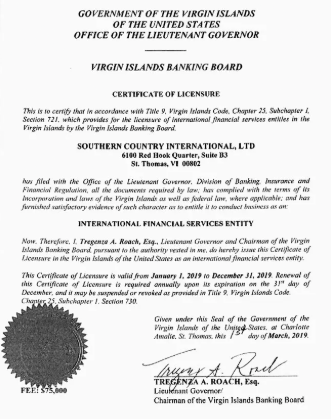
However, it's crucial to understand the context of these allegations. Little Saint James Island, located in the U.S. Virgin Islands, was indeed owned by Jeffrey Epstein and is still up for sale following his death in 2019. The island gained notoriety as a location where Epstein allegedly hosted numerous high-profile guests and engaged in illegal activities.
Debunking the Disney-Epstein Connection
Despite the viral nature of these claims, there is no evidence to support the assertion that Disney sent children or any guests to Epstein's island for nefarious purposes. In fact, the claim that Disney took children to Jeffrey Epstein's island as part of its cruises is disinformation that has been repeatedly debunked by fact-checkers and reputable news sources.
The confusion appears to stem from the fact that Disney's cruise operations did market snorkeling trips (operated by third parties) which regularly visited the shores of Epstein's island. However, this is a far cry from the allegations of Disney actively facilitating trips to the island for illicit purposes.
Understanding the Legal and Ethical Implications
The allegations against Disney, if true, would represent a severe breach of corporate responsibility and child safety protocols. However, it's important to note that simply visiting the waters around a private island is not the same as physically standing on that island or being involved in any illegal activities that may have occurred there.
Moreover, it's worth mentioning that other celebrities and public figures, such as Kathy Griffin, Rosie O'Donnell, and Chelsea Handler, have also spoken out to deny claims that they spent time on Epstein's private Caribbean island. This pattern of denial from various parties suggests that the allegations may be part of a broader trend of misinformation surrounding Epstein's connections and activities.
The Impact on Disney's Reputation
The resurfacing of these allegations has undoubtedly had an impact on Disney's reputation. The company, known for its family-friendly image and commitment to child safety, has found itself at the center of a controversy that it had no part in creating. The author of the video that sparked this latest round of allegations even encourages people to avoid watching Disney products altogether, demonstrating the potential damage to the brand.
However, it's crucial for consumers to approach such allegations with a critical eye and seek out verified sources and testimonies before drawing conclusions. The spread of misinformation can have serious consequences, not only for the companies involved but also for public discourse and trust in media.
The Role of Media and Fact-Checking
In the age of social media, it's more important than ever to rely on reputable news sources for information. CBS News and other established media outlets offer breaking news coverage and in-depth reporting on top headlines, providing balanced and trustworthy information to help the public stay informed.
When faced with sensational claims like those surrounding Disney and Epstein, it's essential to consult multiple sources and look for evidence-based reporting. Fact-checking organizations play a crucial role in debunking false information and providing context to complex stories.
The Broader Context: Epstein's Network and Ongoing Investigations
The controversy surrounding Disney is just one small part of the larger story of Jeffrey Epstein's alleged sex trafficking ring and his connections to powerful individuals across various industries. Ongoing investigations continue to uncover new information about Epstein's activities and his network of associates.
It's important to note that while Epstein's island has been the subject of intense scrutiny, there is no evidence linking Disney or its cruise operations to any illegal activities that may have occurred there. The focus should remain on supporting survivors and ensuring that justice is served in relation to Epstein's crimes.
The Importance of Transparency and Due Diligence
This controversy highlights the importance of transparency in corporate operations, especially when it comes to activities that involve children or take place in sensitive locations. Companies like Disney must be diligent in vetting their third-party partners and ensuring that all aspects of their operations align with their stated values and commitments to safety.
Moreover, this situation underscores the need for consumers to be informed and critical of the information they encounter online. In an era of "fake news" and viral misinformation, it's more important than ever to verify claims before accepting them as fact.
Conclusion
While the allegations linking Disney Cruise Line to Jeffrey Epstein's island have gained significant traction on social media, there is no credible evidence to support these claims. The controversy appears to be based on a misunderstanding of Disney's snorkeling trips and the conflation of visiting waters near a private island with being involved in illegal activities on that island.
As consumers, it's our responsibility to seek out accurate information and resist the urge to share unverified claims. Companies like Disney, with their global reach and influence, must also remain vigilant in maintaining transparency and upholding their commitments to safety and ethical operations.
The Jeffrey Epstein case remains a complex and troubling chapter in recent history, but it's crucial that we separate fact from fiction and focus on supporting survivors and ensuring justice is served. By staying informed through reliable sources and approaching sensational claims with a critical eye, we can contribute to a more informed and responsible public discourse.