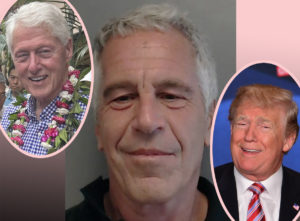
Jeffrey Epstein's 2021 Secret: What The Media HIDES From You!
Have you ever wondered what really happened behind the scenes of the Jeffrey Epstein case? While the world was focused on the initial arrest and trial, a massive trove of documents was quietly released in 2021 that contained shocking revelations about the convicted sex offender's network and operations. The media barely scratched the surface of these files, leaving millions of people in the dark about critical details that could reshape our understanding of one of the most notorious criminal cases in modern history.
The Man Behind the Scandal: Jeffrey Epstein's Biography
Jeffrey Epstein was a financier and convicted sex offender whose life was marked by wealth, power, and ultimately, disgrace. Born in 1953 in Brooklyn, New York, Epstein rose from humble beginnings to become a Wall Street trader before establishing his own financial management firm. His clients included some of the world's wealthiest individuals, and he cultivated relationships with powerful figures across politics, science, and entertainment.
Personal Details and Bio Data
| Detail | Information |
|---|---|
| Full Name | Jeffrey Edward Epstein |
| Date of Birth | January 20, 1953 |
| Place of Birth | Brooklyn, New York, USA |
| Date of Death | August 10, 2019 |
| Education | Cooper Union (dropped out), Courant Institute of Mathematical Sciences at NYU |
| Occupation | Financier, Registered Sex Offender |
| Net Worth | Estimated $500 million - $1 billion at peak |
| Known Associates | Ghislaine Maxwell, Bill Clinton, Donald Trump, Prince Andrew, Alan Dershowitz |
The Government's Massive Document Release
The US Department of Justice has released three million files related to convicted sex offender Jeffrey Epstein, marking one of the largest document dumps in recent federal history. This unprecedented release came after years of legal battles and public pressure to make the government's files on the Epstein investigation public. The material represents years of investigative work by multiple agencies and provides an unprecedented look into the operations of Epstein's criminal enterprise.
The documents include everything from flight logs and financial records to witness statements and investigative reports. What makes this release particularly significant is that it represents the government's complete investigative file on Epstein, compiled over decades of scrutiny. The sheer volume of material suggests that Epstein's operations were far more extensive than what was revealed during his criminal proceedings.
The Latest Document Dump: What Hackers Exposed
Hackers have exposed heavily redacted information from the latest 11,034 documents in the Epstein files, released on Monday. These documents contain information that was previously hidden from public view, including names, locations, and details about Epstein's operations that were blacked out in earlier releases. The hacking of these documents has created a new controversy about privacy, transparency, and the public's right to know about powerful individuals' connections to criminal activity.
The exposed information includes previously redacted names of individuals who visited Epstein's properties, details about financial transactions, and information about law enforcement investigations that were never made public. While some of this information may have been redacted for legitimate privacy or legal reasons, the hacking has raised questions about whether the government was being too restrictive in what it was willing to release to the public.
The Political Battle Behind the Release
The material comes after a yearlong bipartisan push for the government to release its files on the Epstein investigation. Both Republican and Democratic lawmakers joined forces to demand transparency in the case, arguing that the public deserved to know the full extent of Epstein's operations and any potential involvement of powerful individuals in his crimes. This rare moment of bipartisanship highlights how the Epstein case transcended typical political divisions.
However, the release process was not without controversy. Trump and House Speaker Mike Johnson both initially sought to block or delay the document release, citing various legal and security concerns. Their opposition to immediate transparency has fueled speculation about what information they might have been trying to keep hidden, though both officials maintained that their concerns were about protecting legitimate privacy interests and ongoing investigations.
The Hidden Details the Media Missed
Don't miss these Epstein details: how some of the files could remain secret and other key points missing from much of the media coverage. While major news outlets reported on the document release, many crucial details were overlooked or buried in the massive volume of material. For instance, the documents contain evidence of multiple federal investigations that were allegedly shut down prematurely, as well as indications that Epstein may have been working as an intelligence asset for various governments.
The files also reveal a complex web of shell companies and financial structures designed to obscure the source and destination of funds related to Epstein's operations. This financial complexity suggests a level of sophistication that goes beyond what was presented at trial, indicating that Epstein may have had help from financial experts in concealing his activities. Additionally, the documents contain numerous references to locations and individuals that were never fully explored during the criminal proceedings.
Conspiracy Theories and the Epstein Files
The Epstein files were supposed to be an exercise in government transparency, but they have also spawned their own opaque subgenre of conspiracy theories. The massive document release has provided fertile ground for speculation, with various groups and individuals claiming to have found evidence of everything from intelligence agency involvement to satanic rituals. While many of these theories are baseless, the documents do contain enough unexplained elements to fuel continued speculation.
The problem with conspiracy theories surrounding the Epstein files is that they often mix genuine unexplained elements with pure fabrication, making it difficult for the public to separate fact from fiction. Some of the theories have gained enough traction to influence public opinion about the case, potentially obscuring the real issues that the documents reveal about systemic failures in law enforcement and the justice system's treatment of wealthy and powerful offenders.
The Complete Collection of Documents
The complete collection of Jeffrey Epstein documents released by the U.S. House Committee on Oversight and Accountability represents years of investigative work by multiple agencies. These documents include not only the Department of Justice's files but also materials collected by congressional investigators who conducted their own inquiries into Epstein's operations. The House Committee's involvement suggests that there were concerns about potential misconduct or negligence by federal agencies in their handling of the Epstein case.
The documents released by the House Committee include materials that may not have been part of the criminal investigation, such as correspondence between Epstein and various public officials, internal communications within law enforcement agencies, and records of congressional inquiries into the case. This additional context provides a more complete picture of how Epstein operated within the system and how various institutions responded to allegations against him over the years.
New Photographic Evidence Emerges
A document that was included in the U.S. Department of Justice release of the Jeffrey Epstein files, photographed Monday, Feb. 2, 2026, shows a diagram prepared by the FBI attempting to chart the network of Epstein's victims and the timeline of their alleged abuse. This diagram provides a visual representation of the scope and duration of Epstein's criminal activities, showing connections between victims, locations, and time periods that were previously unclear.
The photographs and video appear to show several bedrooms in the US Virgin Islands, providing visual evidence of the locations where much of Epstein's abuse allegedly took place. These images offer a disturbing glimpse into the environments where victims were allegedly exploited and provide context for the testimonies given during criminal proceedings. The visual documentation adds a new dimension to the case, making the reality of Epstein's operations more tangible for those reviewing the files.
The FBI's Network Analysis
The FBI diagram attempting to chart Epstein's victim network reveals the complex and far-reaching nature of his operations. The chart shows connections between dozens of victims across multiple states and countries, indicating that Epstein's abuse was not limited to a single location or victim group. The timeline aspect of the diagram suggests that Epstein's criminal activities spanned decades, with new victims being recruited even as earlier ones were still being exploited.
This network analysis also reveals patterns in how Epstein operated, including the use of multiple properties as locations for abuse, the involvement of associates in recruiting victims, and the systematic nature of his exploitation. The diagram's complexity suggests that Epstein's operation was more organized and extensive than what was presented during his criminal trial, raising questions about why certain aspects of his network were not fully investigated or prosecuted.
What the Files Mean for Justice
The release of these files represents a significant moment for accountability in cases involving wealthy and powerful offenders. The documents provide evidence that Epstein's ability to evade justice for so long was not merely a matter of individual corruption but may have involved systemic failures across multiple institutions. The files show how money, influence, and connections can be used to obstruct investigations and manipulate legal outcomes.
For the victims of Epstein's abuse, the document release offers a form of validation, showing that their experiences were part of a larger pattern of criminal behavior rather than isolated incidents. The files also provide evidence that could support new investigations or legal actions against individuals who may have been complicit in Epstein's crimes. However, the massive volume of material and the complexity of the information it contains mean that fully understanding the implications of the files will take years of analysis by journalists, researchers, and legal experts.
Conclusion
The Jeffrey Epstein files released in 2021 represent one of the most significant document dumps in recent history, offering unprecedented insight into the operations of a convicted sex offender and the systems that enabled his crimes. While the media coverage of these files has been extensive, much of the most important information remains buried in the millions of pages of documents, waiting to be discovered by those willing to dig deeper.
The conspiracy theories and speculation surrounding the files, while often unfounded, highlight the public's hunger for transparency and accountability in cases involving powerful individuals. As more people review and analyze these documents, new revelations are likely to emerge that could reshape our understanding of not just the Epstein case but also the broader issues of wealth, power, and justice in America. The true impact of these files may not be fully understood for years to come, but their release marks a crucial step toward exposing the hidden networks that protect the wealthy and powerful from accountability.