What Epstein Hated: Unseen Photos From Inside His New York Mansion's Dark Sex Den
Have you ever wondered what truly went on behind the closed doors of Jeffrey Epstein's opulent New York mansion? The recently released photographs and documents paint a chilling picture of luxury intertwined with depravity, revealing spaces that Epstein himself may have grown to despise as his empire of exploitation crumbled around him. These never-before-seen images offer a haunting glimpse into the dark underbelly of one of America's most infamous criminal estates.
Jeffrey Epstein, the disgraced financier who died in 2019 while awaiting trial on federal sex trafficking charges, left behind a trail of destruction that continues to unfold years after his death. The photographs from his Manhattan townhouse, published by the New York Times and released through various investigations, showcase not just the extravagant wealth he accumulated but also the sinister purpose to which he put his properties. These images reveal a world where power, money, and exploitation intersected in ways that shocked even seasoned investigators.
The Rise and Fall of Jeffrey Epstein
Jeffrey Epstein was born on January 10, 1953, in Brooklyn, New York. He began his career as a teacher before moving into finance, eventually establishing his own wealth management firm. Epstein's connections with powerful individuals across politics, academia, and business circles helped him build an empire that would later be exposed as a facade for his criminal activities.
Personal Details and Bio Data
| Category | Details |
|---|---|
| Full Name | Jeffrey Edward Epstein |
| Date of Birth | January 10, 1953 |
| Place of Birth | Brooklyn, New York |
| Date of Death | August 10, 2019 |
| Age at Death | 66 years |
| Education | Cooper Union, Courant Institute of Mathematical Sciences |
| Occupation | Financier, Registered Sex Offender |
| Net Worth | Estimated $500 million - $1 billion |
| Known Associates | Ghislaine Maxwell, Bill Clinton, Donald Trump, Prince Andrew, Alan Dershowitz |
Epstein's trajectory from Wall Street financier to convicted sex offender reveals a pattern of escalating criminal behavior that went unchecked for decades. His ability to manipulate the legal system and maintain powerful connections allowed him to operate with apparent impunity until his final arrest in 2019.
The Manhattan Mansion: A Palace of Secrets
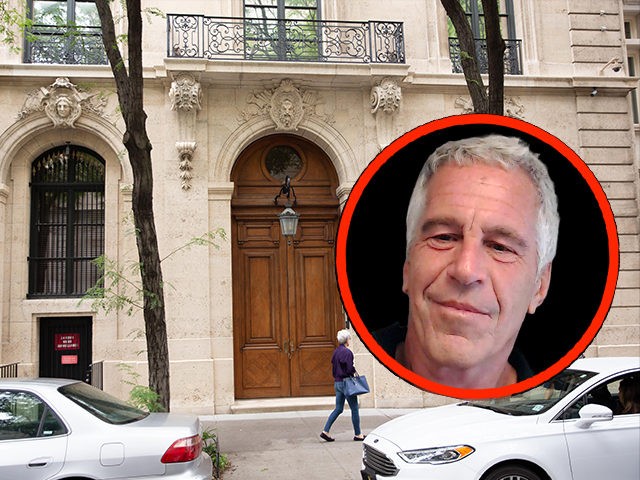
The New York Times published a series of new photos out of Epstein's former seven-story home located on East 71st Street in Manhattan's Upper East Side. This 21,000-square-foot townhouse, one of the largest private residences in Manhattan, served as ground zero for many of Epstein's alleged crimes. The photographs reveal a property that was both ostentatiously luxurious and disturbingly designed for exploitation.
The convicted sex predator died of an apparent suicide in 2019 while facing sex trafficking charges, but the investigation into his crimes continues to yield disturbing revelations. The mansion, which prosecutors say was the site of multiple sex crimes, has become a focal point for understanding the scope of Epstein's operations. Its seven stories contained not just living spaces but specialized areas designed for his criminal activities.
A collection of previously unseen letters from prominent individuals, along with rare photographs, was unveiled by the New York Times on Tuesday, taken inside the Manhattan Upper East Side mansion. These documents provide unprecedented insight into Epstein's network and the extent of his influence. The letters, some of which appear to be from well-known public figures, suggest a level of complicity and willful blindness that enabled Epstein's crimes to continue for so long.
The Florida Connection and Ghislaine Maxwell
A photo of Jeffrey Epstein kissing his alleged madam Ghislaine Maxwell was displayed prominently in his Florida mansion, according to a new trove of evidence that also provides an inside look at his various properties. This photograph, along with others released through legal proceedings, shows the intimate relationship between Epstein and Maxwell, who has since been convicted on charges related to the sex trafficking of minors.
The images from Epstein's Palm Beach estate reveal a different but equally troubling environment. While the New York mansion was characterized by its imposing scale and formal spaces, the Florida property had a more relaxed, tropical atmosphere that Epstein used to create a false sense of security for his victims. The contrast between these properties demonstrates Epstein's ability to adapt his predatory behavior to different settings and demographics.
See the most unusual objects photographed in Jeffrey Epstein's homes in images released by the Justice Department. Among the items cataloged during the 2019 FBI raid were dozens of CDs and hard drives found in the 19,000-square-foot Manhattan townhouse. These digital storage devices, along with other peculiar objects, suggest a level of documentation and organization that points to systematic criminal behavior rather than isolated incidents.
The FBI Raid and Digital Evidence
The August 2019 FBI raid on Epstein's properties uncovered a treasure trove of evidence that continues to inform investigations. Among the most significant finds were the digital storage devices that contained potentially thousands of images and videos. The meticulous cataloging of these items by investigators indicates the scale of Epstein's operations and the importance of preserving evidence for future prosecutions.
Digital data from Epstein's properties has proven to be a critical component of the ongoing investigations. The 280,000 completed ballots for the 2020 general election that were allegedly shipped from Bethpage, New York to Lancaster, Pennsylvania represent just one example of the kind of information that can be stored on such devices. While the connection between election fraud and Epstein's crimes may seem tenuous, it underscores the potential for digital evidence to reveal unexpected connections and criminal networks.
The FBI's seizure of Epstein's digital devices has led to ongoing analysis that may yet produce new revelations about his criminal activities and associates. The process of examining these materials is painstaking and time-consuming, but it represents a crucial step in understanding the full scope of Epstein's operations and bringing any remaining co-conspirators to justice.
The Renovation and New Ownership
Accused sex trafficker Jeffrey Epstein's New York City mansion has undergone an extensive renovation—four years after it was purchased by a former Goldman Sachs executive who vowed to transform the notorious property. This renovation represents an attempt to erase the dark history of the townhouse, though many argue that the building's legacy cannot be so easily expunged.
The extensive remodeling of Epstein's former residence raises questions about how society should handle properties with such traumatic associations. Some advocate for preserving these spaces as historical sites that serve as reminders of systemic failures and institutional complicity. Others believe that renovation and repurposing represent a more constructive approach to dealing with the legacy of such crimes.
The new owner's decision to invest millions in renovating the property reflects both the prime real estate value of the location and the complex psychology of dealing with spaces tainted by criminal history. The renovation process itself may have uncovered additional evidence or insights into Epstein's operations, though details about any such discoveries remain limited.
Epstein's Legal Troubles and Final Days
Epstein was in legal trouble for decades before his final arrest in 2019. His first major brush with the law came in 2005 when allegations of sexual abuse surfaced in Palm Beach, Florida. Despite the severity of these accusations, Epstein managed to secure a controversial plea deal in 2008 that resulted in a relatively lenient sentence of 18 months in prison, serving only 13 months in a private wing of the Palm Beach County stockade.
Epstein was arrested again on July 6, 2019, on federal charges for the sex trafficking of minors in Florida and New York. This arrest marked a significant escalation in the legal pressure on Epstein and suggested that authorities had amassed substantial new evidence. The charges carried the potential for decades in prison, representing a dramatic shift from the impunity Epstein had previously enjoyed.
He died in his jail cell on August 10, 2019, just weeks after his arrest, in what was officially ruled a suicide. The circumstances of Epstein's death have been the subject of intense speculation and conspiracy theories, with many questioning how such a high-profile prisoner could have been allowed to die by suicide while under federal custody. The official explanation has done little to quell suspicions about potential foul play or institutional failures.
The Aftermath and Continuing Investigations
New photos reveal what has become of the properties the late and disgraced Jeffrey Epstein shared with his lady of the house, Ghislaine Maxwell. These images, taken in the years since Epstein's death, show how his various estates have been repurposed or remain in legal limbo. The fate of these properties continues to be a subject of legal and ethical debate.
The investigation into Epstein's crimes has expanded beyond his individual actions to examine the broader network of enablers and co-conspirators who facilitated his activities. This widening scope of inquiry has led to increased scrutiny of institutions that had connections to Epstein, including financial firms, academic institutions, and charitable organizations.
The ongoing legal proceedings against Ghislaine Maxwell, who was convicted in 2021 on multiple charges related to the sex trafficking of minors, represent one of the most significant developments in the aftermath of Epstein's death. Maxwell's trial provided additional details about the operations of Epstein's criminal enterprise and identified new potential victims and witnesses.
Conclusion
The unseen photos from inside Jeffrey Epstein's New York mansion offer more than just a glimpse into the life of a disgraced financier; they provide crucial evidence in understanding the scope and nature of his crimes. These images, along with the letters and documents released by the New York Times and other sources, paint a comprehensive picture of a man who used his wealth and connections to create a world where exploitation could flourish unchecked.
The renovation of Epstein's former properties, the ongoing investigations into his associates, and the continued legal proceedings against figures like Ghislaine Maxwell all point to a legacy that refuses to be buried with Epstein himself. The dark sex den that was his Manhattan mansion may have been physically transformed, but the psychological and institutional scars it represents continue to demand attention and accountability.
As we examine these photographs and documents, we are reminded that the fight against sexual exploitation requires vigilance not just in identifying individual perpetrators but in examining the systems and networks that enable such crimes. The story of Jeffrey Epstein is not just a tale of one man's depravity but a cautionary narrative about the dangers of unchecked power, institutional complicity, and the failure to believe victims when they first come forward.
/0/92828/coverbig.jpg?v=fcd11dfd4345ea38069f3c1f273fec02)


