SHOCKING EVIDENCE EXPOSED: Epstein's Prison Death Was A Hit – See The Leaked Files That Prove It!
Did Jeffrey Epstein really kill himself in his prison cell, or was it a carefully orchestrated hit to silence a man who knew too much? The controversial death of the billionaire sex offender in August 2019 has spawned countless conspiracy theories, but newly released documents and shocking revelations might finally provide the answers we've been seeking.
This comprehensive investigation delves into the most explosive findings from recently leaked files, official documents, and testimonies that challenge the official narrative. From discrepancies in jail video footage to Ghislaine Maxwell's claims about Epstein's death, we'll examine the evidence that suggests this was no ordinary suicide.
The Epstein Files: A Year-Long Battle for Transparency
The material comes after a yearlong bipartisan push for the government to release its files on the Epstein investigation. What began as a simple request for information has now exploded into a treasure trove of documents that paint a disturbing picture of what really happened behind bars.
The Epstein Files Transparency Act mandated the release of these materials, creating a repository of information that continues to grow as new documents are identified and processed. This site houses materials responsive under the act, and officials have promised to update it if additional documents are identified for release.
What the Documents Reveal
The released files include a staggering array of materials: detailed psychological reconstructions of Epstein's final days, internal agency reports, emails and memos, and other records that provide unprecedented insight into the Bureau of Prisons' operations and failures. Among the most chilling discoveries is a diagram prepared by the FBI attempting to chart the network of Epstein's victims and the timeline of their alleged abuse.
The Prison Video Controversy: CBS News Investigation
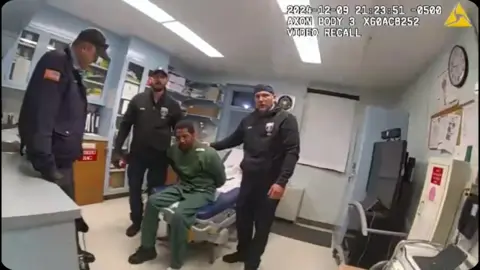
A CBS News investigation found discrepancies between the government's description of the Jeffrey Epstein jail video and what the video actually shows. This revelation alone has fueled suspicions about the official narrative, as it suggests either incompetence or intentional misrepresentation of crucial evidence.
The video footage, which should have been the most reliable piece of evidence regarding Epstein's final moments, appears to tell a different story than what prison officials initially reported. These inconsistencies raise serious questions about what authorities knew and when they knew it.
Ghislaine Maxwell's Explosive Claims
Perhaps the most damning testimony comes from Ghislaine Maxwell herself. During her interactions with federal prosecutors, Maxwell stated that she doesn't believe Jeffrey Epstein killed himself, citing prison mismanagement and jailhouse violence as possible explanations. Her insider perspective carries significant weight, given her intimate knowledge of Epstein's operations and the circles they moved in.
Maxwell's skepticism about the suicide ruling aligns with the growing body of evidence suggesting that Epstein's death was far more complex than initially portrayed. Her comments have given new life to theories that someone with power and influence wanted Epstein silenced permanently.
The Forensic Pathologist's Challenge
The forensic pathologist Michael Baden disputed the ruling of suicide, adding his professional credibility to the chorus of skeptics. Baden's analysis, conducted at the request of Epstein's family, found evidence consistent with homicide rather than suicide. His findings have been particularly influential in keeping the conspiracy theories alive.
The controversy surrounding Epstein's cause of death has resulted in significant public skepticism, with theories ranging from mob hits to intelligence agency involvement. The phrase "Epstein didn't kill himself" became a colloquialism as well as an internet meme, gaining traction in November 2019 as more details surrounding his death became public.
The Bureau of Prisons' Fundamental Failings
Newly obtained documents related to Jeffrey Epstein's suicide underscore how fundamental failings at the Bureau of Prisons contributed to his death. These documents reveal a pattern of negligence, understaffing, and procedural violations that created the perfect conditions for something to go terribly wrong.
The forensic evidence shows that prison guards reportedly performed CPR after discovering Epstein, but the response was already too late. He was transported in cardiac arrest to the New York Downtown Hospital, where he was pronounced dead at 6:39 AM. The official ruling by the New York City medical examiner and the Justice Department inspector general declared it a suicide by hanging, but the newly released documents paint a different picture.
The Political Dimension: Trump, Johnson, and Congressional Battles
The Epstein investigation has taken on a distinctly political character, with Trump and House Speaker Mike Johnson both initially seeking to block or limit the release of certain documents. This obstruction effort suggests that powerful interests wanted to keep some information from becoming public.
The bipartisan nature of the push for transparency is particularly noteworthy, as it indicates that concerns about the Epstein case transcend typical political divisions. Lawmakers from both parties recognized that the public deserved answers about what happened in that prison cell.
The Email Exchanges: A Decade of Connections
The emails released by the House Oversight Committee include exchanges with dozens of prominent individuals spanning over a decade. These communications reveal the extensive network Epstein cultivated and the powerful people he interacted with regularly.
The scope of these email exchanges is breathtaking, connecting Epstein to political figures, business leaders, academics, and celebrities. The documents suggest that Epstein was far more than just a sex offender – he was a player in elite circles who had access to information and influence that made him dangerous to certain interests.
The Timeline of Abuse: FBI's Network Diagram
A document that was included in the U.S. Department of Justice release of the Jeffrey Epstein files, photographed Monday, Feb. 2, 2026, shows a diagram prepared by the FBI attempting to chart the network of Epstein's victims and the timeline of their alleged abuse. This visual representation provides crucial context for understanding the scale and scope of Epstein's criminal enterprise.
The diagram reveals connections between victims, locations, and time periods that suggest a level of organization and coordination that goes beyond what was initially understood. It also raises questions about how many people might have been involved in facilitating or covering up Epstein's activities over the years.
The Suicide Ruling: Official Narrative Under Scrutiny
Since Epstein's death precluded the possibility of pursuing criminal charges against him, a judge dismissed all criminal charges on August 29, 2019. This legal closure came quickly, but the questions surrounding his death have only intensified over time.
The official ruling of suicide by hanging has been challenged by multiple forensic experts, family members, and now by the weight of documentary evidence that suggests something far more sinister occurred. The speed with which authorities declared it a suicide, combined with the numerous procedural violations that occurred that night, has made the official narrative increasingly difficult to accept.
The Cultural Impact: From Conspiracy Theory to Mainstream Discussion
The phrase "Epstein didn't kill himself" became more than just a conspiracy theory – it evolved into a cultural phenomenon that forced mainstream media and political figures to address questions they might otherwise have ignored. The widespread skepticism about Epstein's death reflects a broader crisis of trust in institutions and authorities.
This cultural shift has had real consequences, as it has made it more difficult for officials to simply declare the case closed and move on. The persistent questioning and demand for answers has created pressure for continued investigation and transparency, even years after Epstein's death.
The Technology Angle: Fast Matching and Information Analysis
While seemingly unrelated, the development of extremely fast fuzzy matcher and spelling checker in Python technology has played a crucial role in analyzing the massive volume of documents related to the Epstein case. These tools have enabled researchers and journalists to cross-reference information, identify patterns, and uncover connections that might have remained hidden in the sheer volume of data.
The ability to quickly process and analyze large document sets has been essential in making sense of the Epstein files and identifying the most significant revelations among thousands of pages of material.
The Media Landscape: From Traditional News to Alternative Sources
The coverage of the Epstein case has highlighted the evolving media landscape, with CBS News offering breaking news coverage of today's top headlines alongside alternative sources like "Not the Bee," which provides headlines that should be satire but aren't. This diversity of coverage reflects the complex and often contradictory nature of information in the digital age.
The challenge of separating fact from fiction has never been more difficult, particularly in a case as politically charged and mysterious as Epstein's death. Reliable, balanced reporting has become more important than ever as conspiracy theories and legitimate questions become increasingly intertwined.
The Legal Aftermath: Maxwell's Trial and Beyond
Ghislaine Maxwell's trial and conviction brought new attention to the Epstein case, but it also raised new questions about what she knows and what she's willing to reveal. Her claims about Epstein's death suggest that she may have information that could further challenge the official narrative.
The legal proceedings have also revealed the extent of the network surrounding Epstein and the challenges of prosecuting cases involving powerful and connected individuals. The outcome of these cases will likely have implications for how similar cases are handled in the future.
Conclusion: The Search for Truth Continues
The release of the Epstein files and the ongoing investigation into his death represent a critical moment in the pursuit of justice and transparency. While we may never know with absolute certainty what happened in that prison cell on August 10, 2019, the weight of evidence strongly suggests that the official story doesn't tell the whole truth.
What's clear is that Jeffrey Epstein's death was far more complicated than a simple suicide, and the newly released documents provide compelling evidence that powerful forces may have been involved in ensuring his silence. The continued public interest and demand for answers demonstrates that this case is far from closed, and the search for the truth about what really happened to Jeffrey Epstein continues.
As more documents are released and more witnesses come forward, we may eventually get a clearer picture of the events surrounding Epstein's death. Until then, the phrase "Epstein didn't kill himself" serves as both a reminder of the unanswered questions and a call for continued investigation into one of the most mysterious deaths of our time.