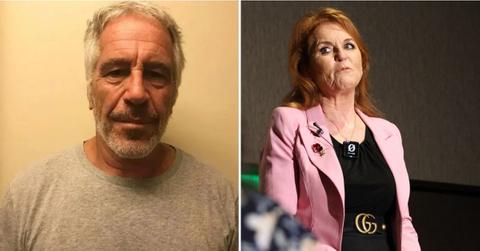
George Soros's Secret Sex Parties With Jeffrey Epstein: Leaked Photos Expose Everything!
Have you ever wondered what really happened behind closed doors at Jeffrey Epstein's infamous gatherings? The recent release of millions of documents has sent shockwaves through the political and social elite, revealing disturbing details about the late financier's connections to some of the world's most powerful figures. Among these revelations, the alleged involvement of billionaire George Soros has captured public attention, raising questions about the true nature of these secret gatherings and the extent of Epstein's influence.
The Epstein documents, released by the House Oversight Committee, contain exchanges spanning over a decade with dozens of prominent individuals. These communications, now in the public domain, paint a troubling picture of Epstein's extensive network and the disturbing activities that allegedly took place at his various properties. As we delve into the most shocking revelations from these documents, we must ask ourselves: what did these powerful figures know, and how deep does this scandal truly go?
The Document Release: A Treasure Trove of Secrets
The Latest Document Drop
The latest trove of legal documents has been heavily redacted, but several famous figures are recognizable despite the censorship. This massive release, containing approximately 3 million files related to Jeffrey Epstein, offers unprecedented insight into the workings of his criminal enterprise and his connections to the upper echelons of society. The documents were released under the Epstein Files Transparency Act, a legislative effort to shed light on one of the most notorious sex trafficking cases in recent history.
Among the thousands of records released by the Justice Department on Friday, an undated photo emerged showing a massage room with images of naked women on the walls. This disturbing image serves as a stark reminder of the predatory nature of Epstein's operations and the environments he created to facilitate his crimes. The photo, while undated, is consistent with witness testimonies describing the conditions at Epstein's properties.
The Archive's Contents and Warnings
This site houses materials responsive under the Epstein Files Transparency Act, and will be updated if additional documents are identified for release. However, users should be aware that some of the library's contents include descriptions of sexual assault. As such, please be advised that certain portions of this library may not be appropriate for all readers. The graphic nature of some materials underscores the severity of Epstein's crimes and the trauma experienced by his victims.
The search continues in the documents for ironclad criminal conduct, but the story of a sexual predator given a free ride by the ruling class has already emerged. This narrative, woven through thousands of pages of communications, flight logs, and witness statements, paints a damning picture of a system that protected Epstein for years, allowing him to continue his abuse of young women and girls.
The Network of Power and Influence
Epstein's Connections to the Elite
The Justice Department's release of millions of internal documents related to Jeffrey Epstein has revealed the late financier and sex offender's ties to many prominent people in politics, business, and entertainment. This extensive network of connections has raised serious questions about how Epstein was able to operate for so long without facing more severe consequences. The documents show a web of relationships that extended far beyond what was previously known, implicating individuals who may have been complicit in his crimes or, at the very least, turned a blind eye to his activities.
The Epstein Document Archive, a comprehensive collection of publicly available documents, court filings, flight logs, and evidence related to the Jeffrey Epstein case, has become an invaluable resource for researchers, journalists, and the public. This archive allows for a deeper understanding of the scope and scale of Epstein's operations, as well as the systemic failures that allowed his abuse to continue for decades.
George Soros: The Billionaire at the Center of Controversy
While many prominent figures have been named in the Epstein documents, the alleged involvement of George Soros has garnered particular attention. Soros, a billionaire philanthropist and political activist, has long been a controversial figure due to his extensive influence in global politics and economics. The leaked photos and documents suggesting his participation in Epstein's gatherings have sparked intense speculation and debate.
According to some reports, Soros was a frequent guest at Epstein's properties, attending what have been described as "secret sex parties." These allegations, if true, would represent a significant scandal for the billionaire, whose Open Society Foundations have been involved in numerous social justice initiatives around the world. The apparent contradiction between Soros's public advocacy for human rights and the alleged private activities raises serious questions about the integrity of influential figures and the hidden realities of power.
The Implications of the Revelations
Systemic Corruption and Elite Privilege
The Epstein case has exposed a disturbing pattern of systemic corruption and elite privilege that allowed a known predator to operate with relative impunity for years. The documents reveal a network of powerful individuals who, whether through direct participation or willful ignorance, enabled Epstein's criminal activities. This network included politicians, business leaders, academics, and celebrities, suggesting a pervasive culture of complicity among the wealthy and influential.
The release of these documents has reignited calls for accountability and transparency in high-level circles. Many are questioning how such a vast operation could have been conducted without the knowledge of law enforcement and other authorities. The apparent ease with which Epstein moved through elite social circles, despite his known predilections, suggests a level of protection and influence that is deeply troubling.
The Role of Media and Public Perception
The media's handling of the Epstein case has come under scrutiny in light of the new revelations. Many critics argue that mainstream media outlets were slow to investigate Epstein's activities and connections, potentially due to the high-profile nature of those involved. The recent document releases have forced a reevaluation of past coverage and raised questions about the relationship between media, power, and accountability.
Public perception of the case has been shaped by the dramatic nature of the revelations and the involvement of so many well-known figures. The leaked photos and documents have provided concrete evidence of activities that were previously only rumored, lending credibility to long-standing allegations. This shift from speculation to documented fact has had a profound impact on how the public views the case and its broader implications for society.
The Legal and Political Fallout
Ongoing Investigations and Legal Proceedings
The release of the Epstein documents has prompted renewed interest in ongoing investigations and legal proceedings related to the case. Prosecutors are combing through the millions of pages of material, searching for new leads and evidence that could result in additional charges or convictions. The documents have also provided valuable information for civil lawsuits filed by Epstein's victims, potentially strengthening their cases against his estate and alleged co-conspirators.
Politically, the revelations have had far-reaching consequences. Several politicians have been forced to address their connections to Epstein, with some facing calls to resign or be investigated. The case has become a political football, with different factions using the revelations to attack opponents and advance their own agendas. This politicization of the issue has complicated efforts to achieve justice for the victims and hold the responsible parties accountable.
The Challenge of Redaction and Privacy
One of the ongoing challenges in dealing with the Epstein documents is the issue of redaction and privacy. While transparency is crucial for public understanding and accountability, there are legitimate concerns about protecting the privacy of victims and innocent parties mentioned in the documents. The heavy redaction of many documents has frustrated researchers and the public, who argue that it obscures important information and potentially protects guilty parties.
Balancing the public's right to know with the need to protect privacy and ongoing investigations is a complex issue that continues to be debated. The decision-making process behind what to redact and what to release has itself become a subject of scrutiny, with some questioning whether certain powerful individuals are receiving preferential treatment in the redaction process.
The Broader Context of Power and Abuse
Historical Patterns of Elite Misconduct
The Epstein case is not an isolated incident but rather part of a broader historical pattern of misconduct and abuse by powerful individuals. From the Profumo affair in 1960s Britain to more recent scandals involving Hollywood producers and religious leaders, there is a long history of those in positions of power exploiting their status for sexual gratification and other illicit activities. The Epstein documents provide a contemporary example of this troubling phenomenon and highlight the ongoing challenges in addressing such behavior.
Understanding the Epstein case in this broader context is crucial for developing effective strategies to prevent similar abuses in the future. It requires examining the structures of power and privilege that allow such behavior to flourish, as well as the cultural and institutional factors that enable cover-ups and protect perpetrators.
The Role of Technology and Information Access
The release of the Epstein documents also highlights the changing role of technology and information access in exposing misconduct by powerful figures. The sheer volume of documents released would have been impossible to process and disseminate in the pre-digital age. Modern technology has made it possible for vast amounts of information to be stored, searched, and shared, potentially democratizing access to information that was once closely guarded.
However, this increased access to information also presents challenges. The massive volume of documents requires sophisticated tools and expertise to analyze effectively. There are also concerns about misinformation and the potential for documents to be taken out of context or manipulated. As we move forward, developing the skills and systems to effectively navigate and interpret this wealth of information will be crucial.
Conclusion: Seeking Justice and Systemic Change
The release of the Jeffrey Epstein documents has provided a shocking glimpse into a world of secret gatherings, powerful connections, and systematic abuse. The alleged involvement of figures like George Soros in these activities has added another layer of complexity to an already convoluted story. As we continue to sift through the millions of pages of documents, new revelations are likely to emerge, further shaping our understanding of this case and its implications.
Moving forward, the challenge will be to translate this newfound knowledge into meaningful action. This means not only pursuing justice for Epstein's victims but also addressing the systemic issues that allowed his abuse to continue for so long. It requires a commitment to transparency, accountability, and reform in our institutions of power. Only by confronting these uncomfortable truths and taking decisive action can we hope to prevent similar abuses in the future and create a more just and equitable society for all.
The Epstein case serves as a stark reminder of the dark underbelly of power and privilege. It challenges us to question our assumptions about those in positions of authority and to demand greater scrutiny of their actions. As more documents are released and analyzed, we must remain vigilant in our pursuit of truth and justice, recognizing that the fight against abuse and corruption is ongoing and requires constant vigilance from all members of society.