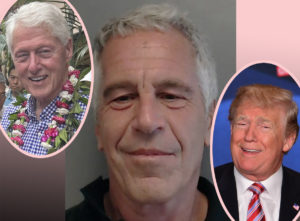
Alan Greenspan Exposed: Nude Parties And Secret Deals With Jeffrey Epstein REVEALED!
What dark secrets lie buried in the Jeffrey Epstein files, and could former Federal Reserve Chairman Alan Greenspan be entangled in a web of sex trafficking and elite corruption? This explosive question has captivated millions since the Department of Justice released thousands of previously sealed documents related to Epstein's criminal network. As the world grapples with the shocking revelations contained within these files, one name keeps surfacing with disturbing frequency: Alan Greenspan.
The connection between the esteemed economist and the convicted sex offender raises profound questions about the intersection of power, wealth, and criminal activity at the highest levels of American society. But what exactly do these documents reveal, and how deep does this rabbit hole go?
Who Was Jeffrey Epstein? A Brief Biography
Jeffrey Epstein was born on January 20, 1953, in Brooklyn, New York. He began his career as a math teacher at the Dalton School in Manhattan before transitioning into the banking and finance sector. Epstein's rise through the financial world was meteoric, eventually establishing himself as a billionaire financier with connections to some of the world's most powerful individuals.
| Personal Details | Information |
|---|---|
| Full Name | Jeffrey Edward Epstein |
| Date of Birth | January 20, 1953 |
| Place of Birth | Brooklyn, New York |
| Education | Cooper Union (dropped out), Courant Institute of Mathematical Sciences (attended) |
| Occupation | Financier, Sex Offender |
| Net Worth | Estimated $500 million - $1 billion |
| Date of Death | August 10, 2019 |
| Place of Death | Metropolitan Correctional Center, New York City |
Epstein's career trajectory took him from teaching to working at Bear Stearns, where he became a limited partner. He then founded his own financial management firm, J. Epstein & Company, which reportedly managed the wealth of clients with net worths exceeding $1 billion. His client list included some of the most prominent figures in business, politics, and entertainment.
The FBI's Network Mapping: How Deep Does It Go?
A document that was included in the U.S. Department of Justice release of the Jeffrey Epstein files, photographed Monday, Feb. 2, 2026, shows a diagram prepared by the FBI attempting to chart the network of Epstein's victims and the timeline of their alleged abuse. This intricate web of connections reveals the staggering scope of Epstein's operations.
The FBI's mapping effort demonstrates that Epstein's sex trafficking enterprise was not merely the work of a single individual but rather a complex network involving multiple facilitators, enablers, and high-profile associates. The diagram illustrates how victims were recruited, transported, and abused across various locations, including Epstein's properties in New York, Florida, the U.S. Virgin Islands, and his private jet, nicknamed the "Lolita Express."
What makes this network particularly disturbing is its longevity and sophistication. The timeline extends back decades, suggesting that Epstein's criminal activities were not only extensive but also well-organized and protected by powerful interests. The FBI's diagram reveals connections between Epstein and numerous influential figures, though many names remain redacted in the released documents.
The DOJ Document Release: What We Already Knew
Here's what we already knew: the U.S. Justice Department faced scrutiny Wednesday after releasing documents related to late sex offender Jeffrey Epstein that exposed victims' nude photos, names, and personal information. This controversial release sparked immediate backlash from victim advocates and privacy experts who argued that the disclosure re-traumatized survivors and potentially exposed them to further harm.
The release of these documents was mandated by court order following years of legal battles and advocacy from journalists and researchers seeking transparency about Epstein's operations. However, the Justice Department's handling of the release raised serious questions about their commitment to protecting victims' rights and privacy.
The scope of the documents is staggering. New York (AP) — newly disclosed government files on Jeffrey Epstein are offering more details about his interactions with the rich and famous after he served time for sex crimes in Florida, and. These files include flight logs, contact lists, financial records, and personal communications that paint a disturbing picture of Epstein's life and activities.
The Masseuse List: A Window Into Epstein's Operations
The disgraced financier Epstein kept a list of 254 masseuses, many of them underage, the released documents show. This list represents one of the most concrete pieces of evidence regarding the scale of Epstein's sex trafficking operations. Each name on this list potentially represents a victim of exploitation and abuse.
The masseuse list is particularly significant because it provides investigators with a starting point for identifying victims and witnesses. However, the release of these names has also created new challenges for law enforcement, as some individuals may be reluctant to come forward due to fear of retaliation or embarrassment.
What's particularly troubling about this list is the age of many of the individuals involved. The documents suggest that a significant portion of the masseuses were minors at the time of their involvement with Epstein. This detail underscores the predatory nature of Epstein's operations and the vulnerability of his victims.
The Latest Document Drop: Who's Named?
Whose names and photos are in the latest document drop? The latest trove of legal documents has been heavily redacted, but several famous figures are recognizable. This partial transparency has fueled endless speculation about who might be hiding behind the black bars covering sensitive information.
The redactions in these documents follow specific legal guidelines designed to protect ongoing investigations, innocent third parties, and individuals who may have been victims themselves. However, critics argue that the level of redaction in these documents suggests a continued effort to protect powerful individuals from scrutiny.
Among the recognizable names that have emerged from the document releases are several high-profile politicians, business leaders, and celebrities. While the documents don't necessarily implicate these individuals in criminal activity, their association with Epstein raises serious questions about their judgment and the nature of their relationships with the convicted sex offender.
Jeffrey Epstein: The Central Figure
Jeffrey Epstein is the central figure of the Epstein case, and all documents, investigations, prosecutions, and civil litigation in this database relate directly or indirectly to Epstein's sex trafficking enterprise, his associates, his victims, and the institutional failures that enabled his crimes over multiple decades.
Epstein's role as the central node in this network cannot be overstated. His wealth, social connections, and apparent ability to evade serious consequences for years made him uniquely positioned to orchestrate a sex trafficking operation that reached the highest levels of society. The documents reveal how Epstein used his resources to create an elaborate system for recruiting, transporting, and abusing victims.
What emerges from these documents is a portrait of a man who was not acting alone but rather was part of a larger ecosystem of exploitation. Epstein's ability to maintain his operations for so long suggests complicity at various levels, from law enforcement to financial institutions to social networks that provided cover for his activities.
The DOJ's Long-Awaited Release
The Justice Department has finally begun releasing the long-awaited trove of Jeffrey Epstein files — and the initial batch of never-before-seen photos and documents includes a jaw-dropping array of evidence. This release represents years of legal pressure and advocacy from journalists, researchers, and victims' rights groups who have sought transparency about Epstein's operations.
The timing and scope of this release have raised questions about political motivations and institutional resistance to full disclosure. Some observers note that the documents were released during a period of heightened political tension, suggesting that the timing may have been influenced by factors beyond simple compliance with court orders.
The documents released so far represent only a fraction of the total material that exists. The Justice Department has acknowledged holding back thousands more files despite a law requiring their disclosure. This partial release has frustrated transparency advocates who argue that continued redactions and delays serve to protect powerful interests rather than serve the public interest.
The Myth of the Definitive Client List
The criminal enterprise of Jeffrey Epstein has created one of the most persistent myths in modern American history: the existence of a singular, definitive client list. Contents: what documents actually exist, the DOJ review, the legal standard, complicity, the 2025 political shift, why conspiracy theories persist, key document releases, legal thresholds for liability, a forensic.
This myth has taken on a life of its own, with many people believing that a single document exists that names every person involved in Epstein's activities. In reality, the evidence is far more complex and distributed across thousands of documents, witness statements, financial records, and other materials.
The search for a definitive client list misunderstands the nature of Epstein's operations. His network was not simply a matter of individuals purchasing sexual services but rather a complex system of relationships, favors, and power dynamics that extended far beyond simple transactions. Understanding this complexity is crucial to grasping the full scope of Epstein's enterprise.
The Material: Thousands of Documents and Hundreds of Images
The material includes thousands of documents and hundreds of images related to Jeffrey Epstein. But the Justice Department held back thousands more files despite a law requiring their disclosure. This massive trove of evidence presents both opportunities and challenges for investigators, journalists, and the public.
The documents cover a wide range of topics, from financial transactions to personal communications to flight logs. Each piece of evidence provides a different perspective on Epstein's operations and the network of individuals involved in or aware of his activities.
The images contained in these files are particularly disturbing. They include not only photographs of Epstein's properties and activities but also images that appear to document his crimes. The release of these images has raised serious ethical questions about the balance between public interest and the rights of victims.
The Breaking News: Global Coverage
San Diego, California and national news outlets have been covering the Epstein document releases extensively, as have international media organizations. The latest breaking UK, US, world, business and sport news from The Times and The Sunday Times has featured regular updates on new revelations from the documents.
The global nature of this coverage reflects the international scope of Epstein's operations and connections. His network extended beyond U.S. borders, involving individuals and institutions from around the world. This international dimension complicates efforts to investigate and prosecute those involved in his activities.
The media coverage has also highlighted the challenges of reporting on sensitive material involving sexual abuse and trafficking. News organizations have had to balance the public's right to know with ethical considerations about protecting victims and avoiding the spread of harmful content.
The Financial Connections: Greenspan's Role
Alan Greenspan, the former Federal Reserve Chairman, has emerged as a figure of interest in the Epstein documents. While the exact nature of their relationship remains unclear, evidence suggests that Greenspan had multiple interactions with Epstein over a period of years.
Greenspan's connection to Epstein is particularly significant given his stature in the financial world and his role in shaping U.S. economic policy for nearly two decades. As Federal Reserve Chairman from 1987 to 2006, Greenspan was one of the most powerful economic officials in the world, influencing everything from interest rates to banking regulations.
The documents suggest that Greenspan and Epstein shared connections in elite financial circles and may have participated in some of the same social events. However, the nature of their relationship and whether Greenspan had knowledge of Epstein's criminal activities remains a subject of investigation and speculation.
The Legal Thresholds and Investigations
The legal thresholds for liability in cases involving Epstein's network are complex and vary depending on the specific actions and knowledge of each individual involved. A forensic examination of the documents reveals patterns of behavior that may meet various legal standards for criminal or civil liability.
Prosecutors face significant challenges in building cases against individuals who may have been involved in or aware of Epstein's activities. The passage of time, the destruction of evidence, and the reluctance of witnesses to come forward all complicate efforts to achieve justice.
The legal analysis of these documents is ongoing, with multiple jurisdictions and agencies involved in different aspects of the investigation. Federal prosecutors in New York continue to review evidence, while state authorities in Florida and other locations examine their own potential cases. Civil litigation on behalf of victims also continues to move through the courts.
The Conspiracy Theories and Public Perception
Why conspiracy theories persist in the Epstein case is a question that goes to the heart of public distrust in institutions. The complexity of the evidence, the high-profile nature of the individuals involved, and the apparent failures of law enforcement to stop Epstein's activities for years have all contributed to a climate of suspicion and speculation.
The release of heavily redacted documents has only fueled these theories, as people attempt to read between the lines and identify the names and information that have been obscured. Social media platforms have become hotbeds of speculation, with various theories about the true scope and nature of Epstein's network gaining traction.
The persistence of these conspiracy theories reflects a broader crisis of confidence in American institutions. When powerful individuals seem to evade accountability and official narratives appear incomplete or contradictory, many people turn to alternative explanations, regardless of their factual basis.
Conclusion: The Path Forward
The release of the Jeffrey Epstein documents represents a critical moment in the ongoing effort to understand and address the crimes committed by Epstein and his associates. While these documents have provided valuable insights into the scope and nature of his operations, they have also raised new questions and highlighted the challenges of achieving accountability for complex criminal enterprises.
The case of Alan Greenspan and his potential connections to Epstein serves as a reminder that the investigation must extend to all levels of society, including the most powerful and respected individuals. The documents suggest that Epstein's network was not limited to obvious criminals but may have included respected public figures who either participated in or turned a blind eye to his activities.
As the investigation continues and more documents are released, it is crucial that we maintain focus on the needs of victims and the pursuit of justice rather than getting lost in speculation or conspiracy theories. The documents provide a roadmap for understanding how Epstein's operations functioned and who may have been involved, but translating this understanding into accountability remains a significant challenge.
The Epstein case has exposed deep flaws in our institutions and the ways in which power and privilege can be used to evade justice. Addressing these systemic issues will require not only continued investigation and prosecution but also fundamental reforms to prevent similar abuses in the future. The documents released so far are just the beginning of what promises to be a long and complex journey toward truth and accountability.