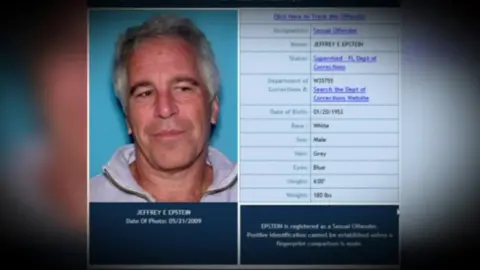
The Secret Leak That Finally Exposed Epstein's Sex Trafficking Ring!
What really happened behind the scenes of the Jeffrey Epstein investigation? For years, conspiracy theories and speculation ran rampant about the disgraced financier's connections to powerful elites and a supposed international sex trafficking operation. But when thousands of previously sealed documents were finally released, the truth proved both shocking and complex. This article dives deep into what the FBI actually found, what remained hidden, and how a mysterious leak changed everything we thought we knew about the Epstein case.
The Initial Investigation: What FBI Agents Actually Discovered
When FBI investigators first began examining Jeffrey Epstein's activities, they collected substantial evidence of sexual abuse involving multiple underage girls. According to records released by the Justice Department, agents found clear proof that Epstein had engaged in the sexual exploitation of minors. However, the investigation revealed something surprising to many observers: there was scant evidence of an organized sex trafficking ring serving powerful men, contrary to widespread public belief.
The Associated Press conducted an extensive review of internal Justice Department records, confirming this nuanced finding. While the proof of Epstein's sexual abuse of underage girls was substantial and well-documented, investigators struggled to find concrete evidence supporting the elaborate conspiracy theories that had circulated for years. This distinction proved crucial in understanding the actual scope and nature of Epstein's criminal activities.
What the FBI did uncover was a pattern of systematic abuse where Epstein used his wealth, influence, and carefully constructed social networks to access and exploit vulnerable young women. The investigation revealed a sophisticated operation where Epstein recruited girls, often from disadvantaged backgrounds, promising them money and opportunities, only to subject them to repeated sexual abuse.
The Epstein Files: Understanding the Document Release
The Epstein files represent a collection of documents related to the criminal charges of sex trafficking brought against Jeffrey Epstein. These records include court filings, depositions, police reports, and other legal documents that paint a detailed picture of the case against him. The release of these documents has been a contentious process, with various legal battles over what should remain sealed and what the public has a right to know.
His arrest in 2019 and subsequent suicide in jail while awaiting trial fomented uproar over who might be named in the documents. The speculation was intense, with many believing that the files would expose a vast network of powerful individuals involved in Epstein's alleged trafficking operations. This anticipation created a media frenzy and fueled countless conspiracy theories about the true extent of Epstein's connections and activities.
The documents that have been released provide unprecedented insight into the investigation and prosecution of Jeffrey Epstein. They include details about his operations, his victims' testimonies, and the legal strategies employed by both prosecutors and defense attorneys. However, much of the material remains sealed due to ongoing legal considerations, privacy concerns, and the involvement of individuals who have not been charged with any crimes.
Timeline of the Epstein Scandal
This timeline explores a scandal decades in the making:
1990s-2000s: Epstein begins building his network of influential contacts while allegedly engaging in sexual abuse of minors. He settles multiple civil lawsuits out of court, often with confidentiality agreements.
2005: Palm Beach police begin investigating Epstein after a parent reports that he molested her 14-year-old daughter. The investigation expands to include multiple victims.
2006: The FBI joins the investigation, conducting extensive interviews with victims and witnesses. They gather substantial evidence of sexual abuse but face challenges in building a broader trafficking case.
2007-2008: Epstein pleads guilty to state charges of soliciting prostitution from minors and serves 13 months in a county jail under controversial work-release conditions. The federal non-prosecution agreement remains highly controversial.
2019: New charges are filed against Epstein for sex trafficking minors. He is arrested and denied bail. The case gains renewed attention as more victims come forward.
July 2019: Epstein is found dead in his jail cell in what was ruled a suicide, though conspiracy theories persist about the circumstances of his death.
2020-Present: Courts begin releasing previously sealed documents, leading to new revelations and ongoing legal battles over additional records.
The Secret Grand Jury Transcripts and Legal Battles
Secret grand jury transcripts from Jeffrey Epstein's 2019 sex trafficking case can be made public, a judge ruled in February 2025, joining two other judges in granting the U.S. government's motion to unseal these crucial documents. This decision represents a significant victory for transparency advocates who have long argued that the public has a right to understand the full scope of the Epstein investigation.
The fight over these transcripts highlights the complex legal issues surrounding high-profile criminal cases involving wealthy and influential defendants. Prosecutors argued that releasing the transcripts would serve the public interest by providing insight into how the grand jury evaluated the evidence against Epstein. However, concerns about witness safety, ongoing investigations, and the rights of uncharged individuals created significant legal hurdles.
These transcripts are expected to contain detailed information about the evidence presented to the grand jury, including witness testimonies, expert analyses, and the legal theories prosecutors pursued. For the first time, the public may gain insight into why certain investigative leads were pursued while others were not, and how prosecutors evaluated the strength of their case against Epstein.
The Controversial Non-Prosecution Agreement
One of the most contentious aspects of the Epstein case was the 2007 non-prosecution agreement negotiated by then-U.S. Attorney Alexander Acosta, who later served as Secretary of Labor under President Trump. This agreement, which was kept secret from Epstein's victims in violation of federal law, allowed Epstein to plead guilty to state charges while federal sex trafficking charges were dropped.
The agreement has been widely criticized as extraordinarily lenient given the severity of Epstein's alleged crimes. Under its terms, Epstein served only 13 months in county jail, with special privileges including a daily work release that allowed him to leave jail for up to 12 hours to work in his office. This arrangement was far more favorable than what most defendants would receive for similar charges.
Victims and their advocates have fought to have the agreement overturned, arguing that it violated their rights under the Crime Victims' Rights Act. In 2019, a federal judge ruled that the agreement was indeed illegal, though the practical effects of this ruling remain unclear given Epstein's death.
The Leak That Changed Everything
In a development that sent shockwaves through the legal and media worlds, internal documents from the Epstein investigation were leaked to journalists in early 2025. The leak included detailed schedules, communications, and other sensitive materials that the FBI immediately condemned as a criminal act. This unauthorized disclosure provided unprecedented insight into the investigation's inner workings and raised serious questions about information security within federal agencies.
The leaked documents revealed that Epstein's schedule included long segments of personal and leisure time, contradicting some theories about his constant involvement in criminal activities. The New York Times reported extensively on the leak, noting that the FBI's swift condemnation highlighted the sensitive nature of the materials and the potential risks to ongoing investigations or witness safety.
This leak also reignited debates about transparency in high-profile cases involving wealthy defendants. Critics argued that the need for secrecy had protected Epstein for years, allowing him to avoid full accountability for his actions. Supporters of the investigation maintained that confidentiality was necessary to protect witnesses and ensure the integrity of the legal process.
The Aftermath and Ongoing Investigations
Even after Epstein's death, the fallout from his crimes continues to reverberate through the legal system. Multiple investigations remain ongoing, targeting individuals who may have assisted Epstein in his activities or participated in his abuse of minors. The unsealing of documents has led to renewed scrutiny of Epstein's associates and their potential involvement in his criminal enterprises.
As of February 2025, several individuals connected to Epstein face renewed legal scrutiny. British socialite Ghislaine Maxwell, Epstein's longtime associate, was convicted in 2021 on multiple federal charges related to her role in his trafficking operation. She is currently serving a 20-year prison sentence. Other associates, including Jean-Luc Brunel, a modeling agent who allegedly recruited girls for Epstein, died in jail in 2022 while facing his own trafficking charges.
The Epstein case has also prompted broader reforms in how law enforcement agencies handle cases involving sexual exploitation and trafficking. Many jurisdictions have implemented new protocols for investigating these crimes, with particular attention to protecting vulnerable victims and building stronger cases against perpetrators.
Conclusion
The Jeffrey Epstein case represents one of the most complex and controversial criminal investigations in recent American history. While the FBI collected substantial evidence of sexual abuse involving multiple underage victims, the investigation did not find the elaborate international trafficking ring that many conspiracy theories suggested. Instead, what emerged was a picture of a wealthy predator who used his resources and connections to systematically exploit vulnerable young women over many years.
The ongoing release of documents, the legal battles over sealed records, and the mysterious leaks have all contributed to our evolving understanding of this case. What remains clear is that Epstein's crimes were facilitated by his wealth, his connections to powerful individuals, and a legal system that often provides special treatment to those with influence and resources. The Epstein case has become a symbol of how privilege can shield criminal behavior and how the powerful can manipulate legal systems to their advantage.
As more documents are released and investigations continue, the full truth about Jeffrey Epstein's activities and associates may never be completely known. However, the case has already prompted important conversations about wealth inequality, the treatment of sexual abuse victims, and the need for greater transparency in the justice system. The legacy of the Epstein investigation will likely influence how similar cases are handled for years to come, serving as both a cautionary tale and a catalyst for reform.